HMB
Hot Metal Bridge

Current Issue : Number Twenty-Five

Echoes of Hot Metal Bridge: Poetry, Memory, and the Architecture of Witness

Hot Metal Bridge as a Liminal Space

Hot Metal Bridge evokes more than a physical crossing; it suggests a threshold where history, language, and identity glow at the edge of transformation. In contemporary poetry and hybrid prose, such a bridge becomes an imaginative architecture, a place where memory is poured, smelted, and reshaped into new forms. The works of Kathy Z. Price, Esther, the Guernica Triptych, Alycia Pirmohamed, and Jessica Poli can be read as a constellation of such crossings—each piece a span between past and present, body and text, trauma and witness.
Together, these texts form an invisible bridge of hot metal running through markets at night, war-torn canvases, red earth, and the quiet interior rooms of migration and faith. They ask how language can carry the weight of history while still creating a path forward.

Kathy Z. Price and the Night Market of Memory

"Mercado de Sabado por la Noche; Con Barbie Negra como Plato de Entrada"

Kathy Z. Price’s title immediately plunges us into a layered cultural scene: a Saturday night market, Spanish-inflected, alive with noise, color, and commerce—then abruptly disturbed by the surreal phrase “Barbie Negra as appetizer.” The juxtaposition of a global plastic icon with racialized embodiment in the role of consumable “plato de entrada” exposes how Blackness is displayed, bartered, and devoured within popular culture.

The market becomes a theater of gazes and transactions where bodies are both commodities and resistors. Price’s imagined mercado is a metaphorical hot metal bridge: a place where colonial legacies, tourism, and consumer desire collide, liquefying boundaries between object and subject. Through code-switching and a lush, sensorial lexicon, the poem foregrounds the tension between spectacle and selfhood.

Here, language does the work of reclamation. The speaker navigates a marketplace that would turn her into a stylized doll, yet uses the saturated music of Spanish and English to refuse flattening. Humor, irony, and sharp visual detail serve as tools against objectification, asserting that the Black feminine body is not an appetizer but the author of the feast.
Esther: Text, Witness, and the Politics of Risk

The name Esther carries scriptural resonance: a queen who moves within dangerous proximity to power, negotiating survival for herself and her people. In contemporary literature, invoking Esther invites questions about risk, gender, and the ethics of speaking under threat. Any modern reimagining of Esther often locates her at the brink of erasure, asking what it costs to step into visibility.

Esther stands on a different kind of hot metal bridge—between silence and revelation. She is not only a character but a method: to move carefully inside oppressive structures while quietly altering their course. Poems and stories that echo her narrative foreground hidden negotiations, the coded language of the marginalized, and the subtle forms of defiance that can occur within domestic or bureaucratic interiors.

Such work reminds us that not all resistance is spectacular. Sometimes it takes the form of a single, perfectly timed sentence; a document withheld or revealed; an intimate choice that shifts the fate of many. The Esther figure models how literature can become an archive of quiet bravery.

The "Guernica Triptych" and the Afterimage of Catastrophe

From Canvas to Page

The Guernica Triptych draws its gravitational pull from Picasso’s monumental painting, itself a response to the 1937 bombing of the Basque town of Guernica. Yet translating Guernica into a triptych of texts does more than merely echo a famous work; it interrogates how art remembers violence, and how many panels, perspectives, and voices are needed to approach a single atrocity.

In triptych form, the poem or prose sequence creates three hinged panels of time: before, during, and after; civilian, perpetrator, and witness; body, ruin, and haunting. Each panel complicates the others, insisting that no single frame suffices to hold the story of devastation. This structural choice mirrors the fragmentation embedded in war memory itself.
The language of such a triptych often mimics the painting’s fractured geometry: bodies angular, animals in mid-scream, light bulb and eye becoming indistinguishable symbols of surveillance and revelation. Line breaks and white space function like the jagged edges of shattered buildings. The reader is asked not only to look at suffering but to feel the discomfort of a gaze that can never be innocent.
In revisiting Guernica through literature, the triptych form becomes an ethical device. It slows our consumption of historical pain, obliging us to turn from panel to panel, to witness from multiple angles, to admit that trauma cannot be contained in a single, tidy narrative.

Alycia Pirmohamed’s "How We Begin": Cartographies of Origin

Alycia Pirmohamed’s work often inhabits the space between homelands, interrogating how migration inscribes itself on the body and the imagination. In “How We Begin,” the notion of beginning is never singular. The poem composes and recomposes origin, suggesting that to ask where we start is also to ask where we are permitted to belong.

The text traverses landscapes—both geographic and emotional—mapping rivers of memory, border crossings, and inherited silences. It is less concerned with a fixed birthplace than with the ongoing act of beginning again: in a new country, a new language, a family story retold to fit a different continent. This refusal of a neat origin story counters the myth that identity is simple, traceable to one point on a map.

Pirmohamed’s imagery often folds the cosmic into the intimate, suggesting that the cartography of self includes not only cities and seas but constellations and prayer. The poem becomes another form of hot metal bridge: forged from displacement and hope, carrying the reader from the weight of history toward a more fluid understanding of home.

Jessica Poli’s "Red Ocher": Earth, Body, and Trace

Red ocher is one of humanity’s oldest pigments—smeared on cave walls, dusted on the dead, mixed into the earliest symbolic gestures. Jessica Poli’s “Red Ocher” draws on this deep time, invoking a color that is both soil and blood, artifact and wound. The poem situates the speaker within a long lineage of mark-makers, those who have used the earth itself to say: we were here.

The hue suggests burial mounds, rusted metal, sunburned stone. It is the color left behind on the hands of workers and artists alike. Poli’s engagement with red ocher therefore becomes a meditation on labor, memory, and the thin crust that separates the living from the dead. Touching the pigment is touching history.

In this context, the poem’s textures—grit, dust, grain—are as important as its visual field. The language may feel sedimentary, layering images until the reader senses a strata of time underneath each line. Red ocher emerges as both a physical substance and a metaphor for what clings to us: ancestral stories, environmental damage, the stains of industry and extraction.

Bridging the Works: Shared Motifs and Tensions

Read together, these texts suggest a shared vocabulary of crossing, staining, and witnessing. The night market of Price, the perilous court of Esther, the bombed town of Guernica, the migratory routes of Pirmohamed, and the mineral soils of Poli all operate as charged sites where history leaves a mark.

  • Commerce and Consumption: From the commodified Barbie Negra to the tourism of war memory and the global circulation of migrants, bodies and stories are constantly at risk of being bought, sold, or simplified.
  • Color and Materiality: Red ocher, the grayscale anguish of Guernica, the neon stalls of a market at night: color carries ethical weight, registering suffering, resistance, and cultural stylization.
  • Language as Alloy: Code-switching, multilingual echoes, and intertextual references melt different linguistic metals together, forging new idioms capable of holding complex identities.
  • Witness and Responsibility: Whether through Esther’s covert courage or the triptych’s multi-panel gaze, each work asks what it means to look at injustice without turning away.

This collective poetics of the bridge underscores that we are always mid-crossing: between languages, regimes, generations, and ecological thresholds. The texts refuse simple arrival; they dwell instead in the heat and uncertainty of transformation.

The Architecture of Safe Passage: Hospitality, Hotels, and the Poetics of Shelter

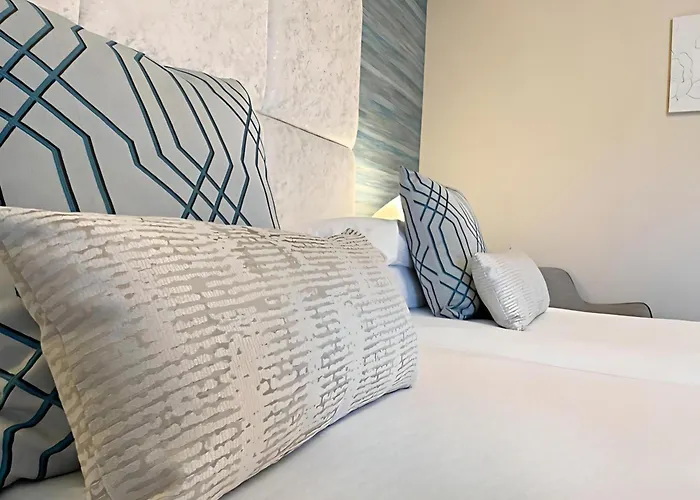
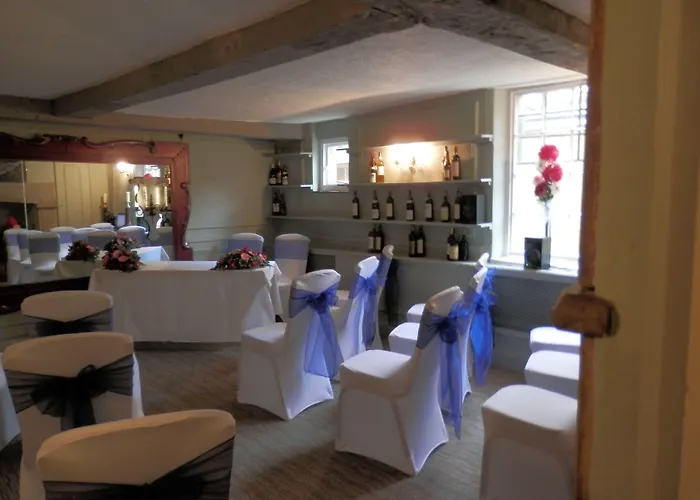
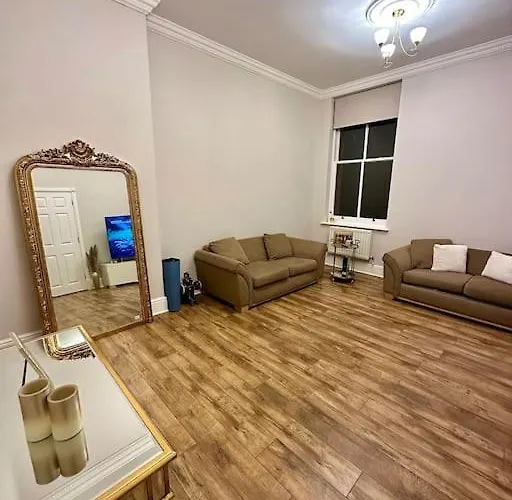
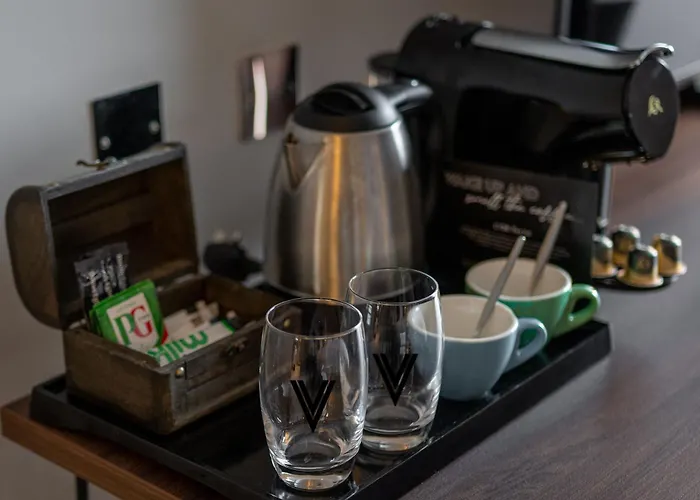
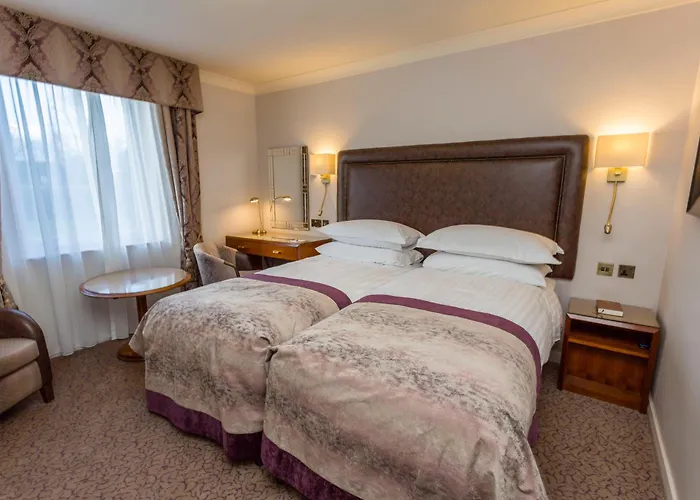
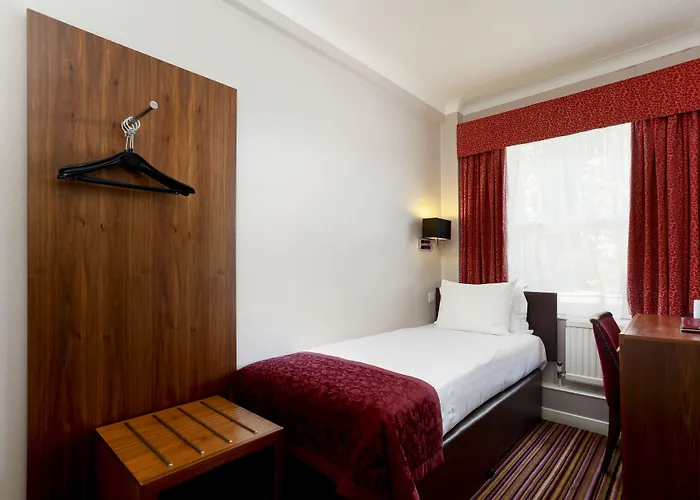
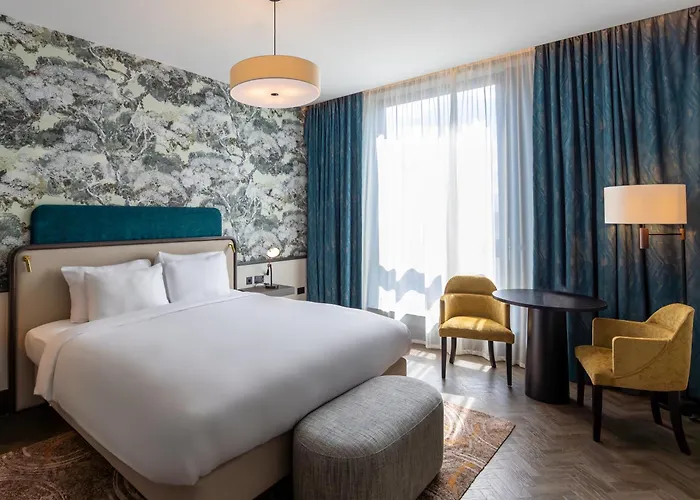
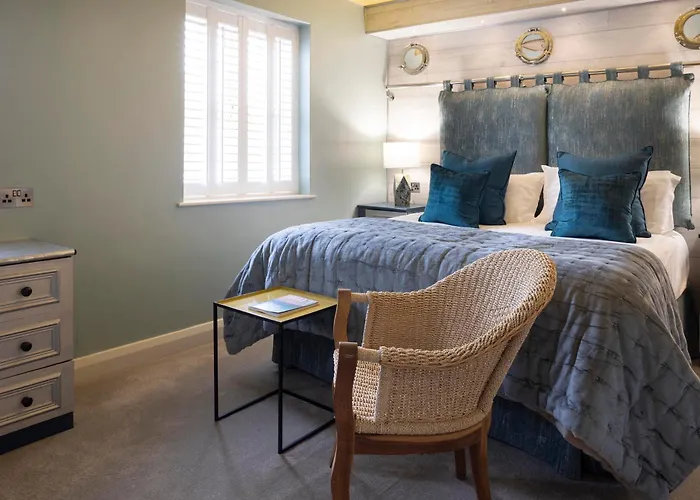
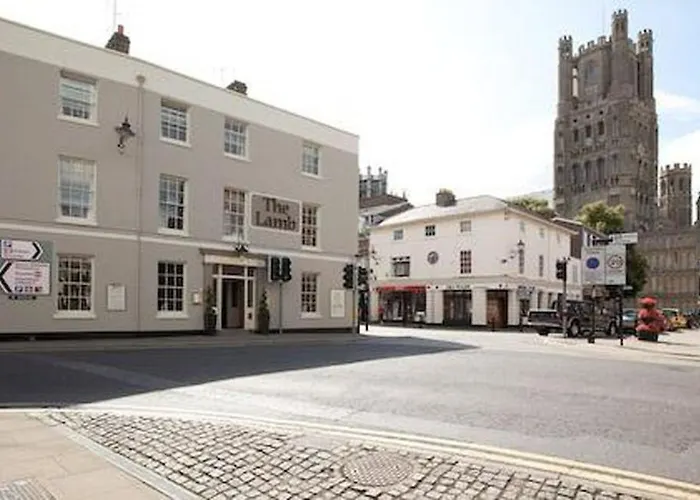
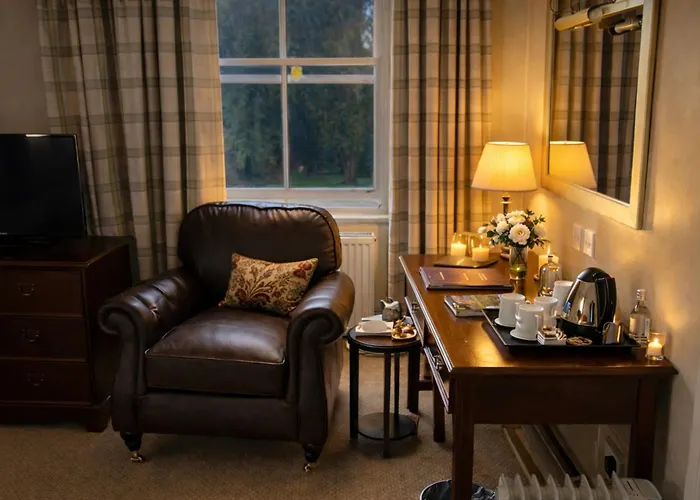
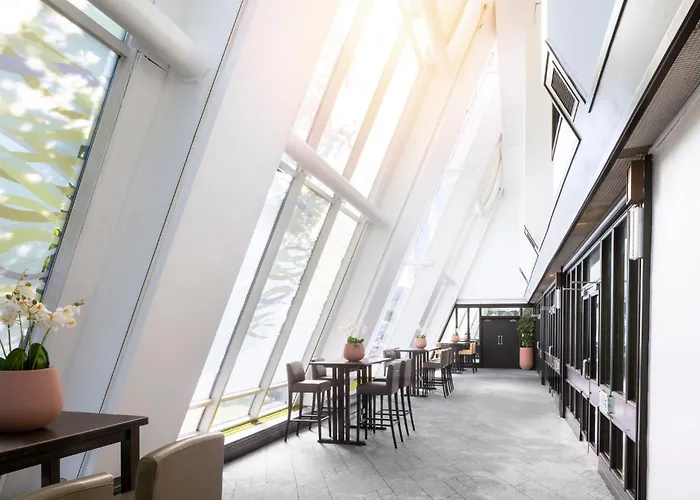
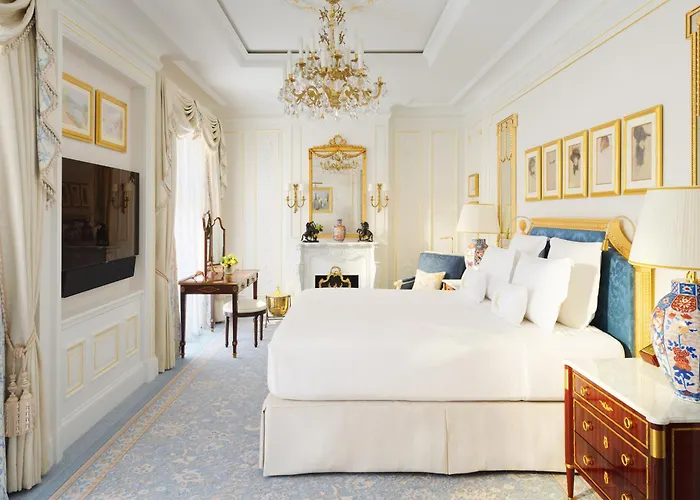
Thinking about these works through the lens of movement naturally invokes the spaces that temporarily hold us in transit. Hotels, with their anonymous corridors and numbered doors, mirror the liminal condition of characters and speakers who are never fully at home. A hotel room is both shelter and nowhere, a neutral container where a traveling poet might spread drafts across a desk, or a family in exile might unfasten a suitcase heavy with documents and memories. Just as Hot Metal Bridge suggests a crossing rather than a destination, the hotel stands in as a waystation in the journey of identity—where languages mingle in the lobby, where histories rest uneasily between check-in and check-out, and where the quiet privacy of a single room can become the workshop of memory, allowing writers to shape experience into narrative before moving on.

Why These Texts Matter Now

In an era marked by migration crises, resurgent authoritarianism, and ongoing environmental degradation, the questions posed by these works feel particularly urgent. Who is seen and who is commodified? How do we remember atrocity without aestheticizing it? What new beginnings are possible for those repeatedly forced to start over?

By attending to markets, palaces, ruins, coastlines, and ancient pigments, these texts refuse abstraction. They insist that history is lived in bodies and places, and that literature can serve as both memorial and forge. The hot metal bridge they collectively construct is not a monument but a living structure, flexing under the weight of those who cross it, glowing with the friction of memory against the present.

To read them is to step onto that bridge—aware of the heat beneath our feet, the currents below, and the possibility that on the far side, we might imagine a more just and attentive way of living together.

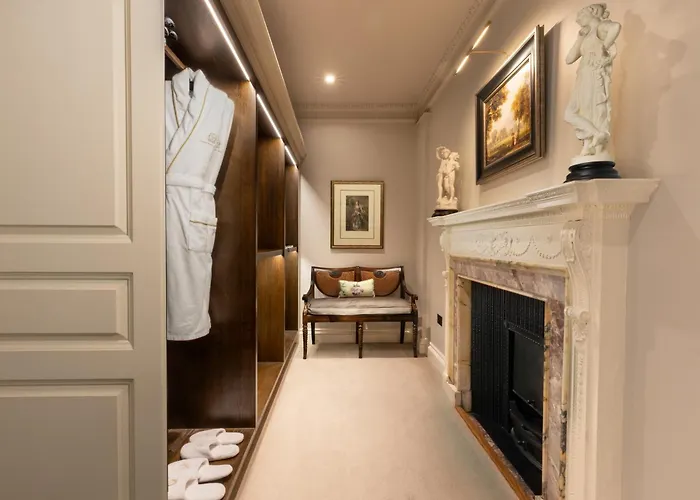
Across these works, the act of crossing—between past and present, homeland and elsewhere, silence and speech—echoes the experience of arriving in an unfamiliar city and opening the door to a temporary room. Hotels, with their shifting guests and neutral decor, become quiet metaphors for this condition of in-betweenness: a place where a traveler might pause after a long journey, unpack the weight of memory, and feel, if only for a night, that they occupy a small, private bridge between where they have been and where they are going.