 Located on the River Thames, the Tower of London is one of the sights not to be missed in the British capital. The imposing royal fortress was built in 1078 by William the Conqueror to London protect London. Until the mid-16th century, it was used as a residence for the British royal family. The fort has an eventful history: important people, including people of royal blood, were imprisoned, tortured and executed here.
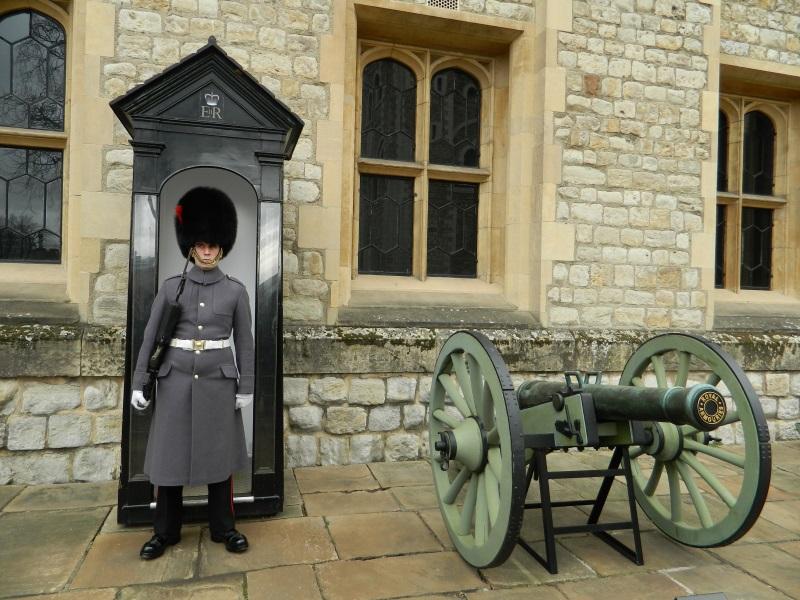
The highlight of the Tower of London is its huge collection of crown jewels(The Crown Jewels), consisting of 24,000 precious stones. Some of these jewels are still in use by the British monarchy. For example, you can see the Imperial State Crown(Imperial State Crown), which the queen wears every year at the opening of the new parliamentary year. The crown is adorned with 2868 diamonds, 11 emeralds, five rubies and 273 pearls. Impressive is also the crown of the current Queen Elizabeth, which contains 2,800 diamonds. World-famous is the Koh-i-Noor diamond of 109 carats, which comes from India and was brought by the British during their colonial rule in the country. The crown jewels have been kept in The Jewel House since the 14th century, today in a heavily secured room with one-metre-thick vault doors. Guards also stand outside, though they seem to be there more in honour of British frills and tradition.
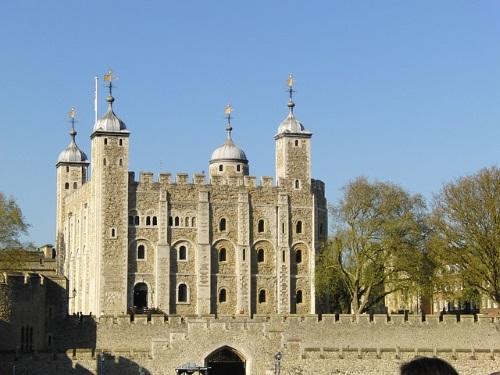
You can also visit the armouries, the famous white tower(The White Tower) and the prison rooms. There you will learn how high-ranking criminals sometimes met gruesome ends, when they were pulled apart by four horses, for example. One of the castle's 21 towers is The Bloody Tower, which gets its name from the mysterious disappearance of young princes Edward and Richard in 1483. Two hundred later, the bodies of two boys, suspected to be the princes, were found in the white tower. However, the murder has never been precisely clarified.
Everywhere on and around the Tower of London you will find black ravens. The story goes that the British monarchy falls when the ravens leave the castle. One wing of each raven is therefore short-cropped just to be on the safe side. The rather large birds are already so used to tourists that they are happy to pose with you for a selfie.
After delving into the rich and at times macabre history of the Tower of London, you might want to relax in a more serene environment. A short journey away lies the orange tree hotel richmond, a perfect spot to unwind, reflecting on the tales of royalty, ravens, and the river Thames that has flowed past the Tower for centuries.
Planning to explore the historic Tower of London and its surroundings? Looking for the best accommodations to make your visit truly memorable? Visit tophotels.com to find top-rated hotels in London and book a stay that complements your historical adventure.
The Tower of London is a Unesco World Heritage Site. To avoid a long queue, it's best to buy tickets online in advance. Tickets are not cheap, but you do get value for money. Upon entering, it's best to visit The Jewel House right away (preferably in the morning), it soon gets crowded with a long queue outside. For food and drinks, head to the New Armouries Café (though the coffee is undrinkable). Address: St Katharine's & Wapping, London EC3N 4AB, United Kingdom. Website: www.hrp.org.uk/tower-of-london
 United Kingdom
Vacations in the United Kingdom
Embassy of the United Kingdom in the Netherlands
United Kingdom Tourist Board
Cities and regions in the United Kingdom
Staying in the United Kingdom
Places to visit in the United Kingdom
Travel to England by car
Travel agencies England