
Planning on hanging out at yet another coffee shop this weekend? Anyone looking for an entertaining and educational afternoon should try a museum hop around Seoul. With more than 100 museums in the city, there’s really no excuse for not dropping by.
Here are six museums continually topping the list for best museums in Seoul.
1. National Museum of Korea (국립중앙박물관)
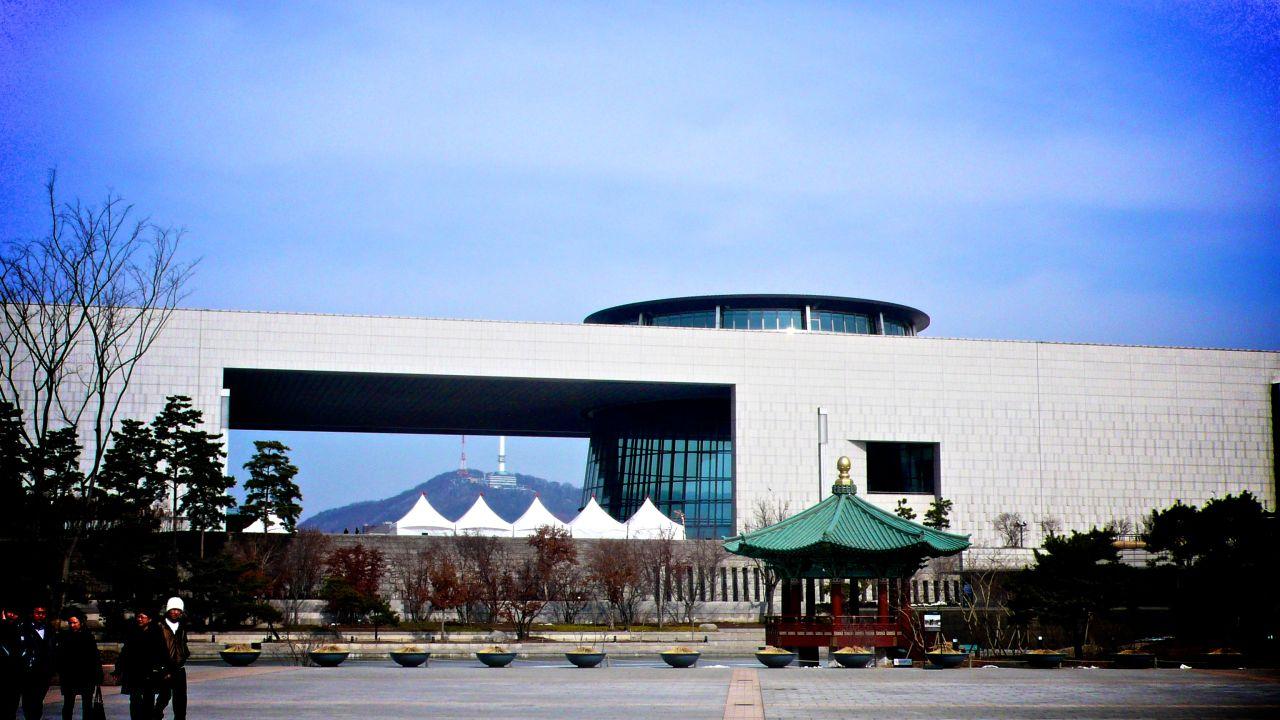
The flagship museum of Korean history and art in South Korea.
Historically significant, the National Museum of Korea originally opened in 1945, the same year Korea gained independence from Japan. Since then, it’s moved to various locations until October 2005, when it was given its final and current setting in Yongsan Family Park.
Housing more than 220,000 pieces of art and relics in total, some 13,000 works are on display at any given time. The best way to explore this behemoth? Compartmentalizing.
Tackle the museum one floor at a time, beginning at the first floor, which contains an archeological and historical gallery. Here you can browse artifacts dating all the way back to 1392, representing the earliest days of Korean civilization.
The second floor is where you will find calligraphy and paintings, as well as donated works from individual collectors.
On the third floor prepare to find yourself surrounded by beautiful Buddhist sculptures, ceramics and art representing Asian culture.
Whether you visit on a weekday or weekend, be sure to expect a crowd. Each Saturday the museum stages special free activities, such as concerts and films related to the permanent and special exhibits currently on display.
Yongsan-dong 6-ga 168-6 (Seobinggo-ro 137), Yongsan-gu
South Korea’s 40 most beautiful places
2. Leeum, Samsung Museum of Art (리움)
The Leeum, Samsung Museum of Art, run by the Samsung Foundation of Culture, is dedicated to preserving and displaying two distinctly different types of art.
MUSEUM 1 houses a collection of traditional Korean art, 36 pieces of which have been designated national treasures. Time travel back to the 14th century where you will encounter ancient daggers, crowns, earrings and ornaments. Buddhist art, sculptures, paintings and manuscripts are also showcased.
Traditional ceramics are displayed here as well, such as Celadon (a type of glaze and ware specific to the Asian region), Buncheong (a bluish-green traditional type of Korean stoneware) and porcelain.
Discover the rich cultural heritage of Korea at MUSEUM 1, which showcases a captivating array of art, ranging from traditional folk paintings to breathtaking landscapes. This museum offers a fascinating glimpse into the country's historical roots and artistic traditions.
For those seeking a more contemporary experience, MUSEUM 2 is a must-visit. Featuring an impressive collection of modern and contemporary art created by both Korean and international artists, this museum pushes boundaries with its diverse range of mediums, including paintings, sculptures, photography, and video. Its thought-provoking exhibits showcase the ever-evolving nature of contemporary art, which continues to adapt and challenge traditional notions of expression.
Alongside the permanent displays, MUSEUM 1 and MUSEUM 2 regularly host special exhibitions, ensuring that there is always something fresh to explore. These temporary exhibitions change approximately every three months, offering visitors the opportunity to delve deeper into specific artistic themes and movements.
Designed by world-renowned architects, MUSEUM 1 is the brainchild of Mario Botta from Switzerland, while MUSEUM 2 was brought to life by Jean Nouvel from France. Additionally, the children's center was designed by Rem Koolhaas from the Netherlands. Each architect drew inspiration from Korean culture, seamlessly blending tradition and innovation to create distinctive spaces that echo the artistic essence of the museums.
Get ready to embark on an enlightening cultural journey at these prominent museums located at 747-18, Hannam-dong, Yongsan-gu.
3. National Folk Museum of Korea (한국민속박물관)
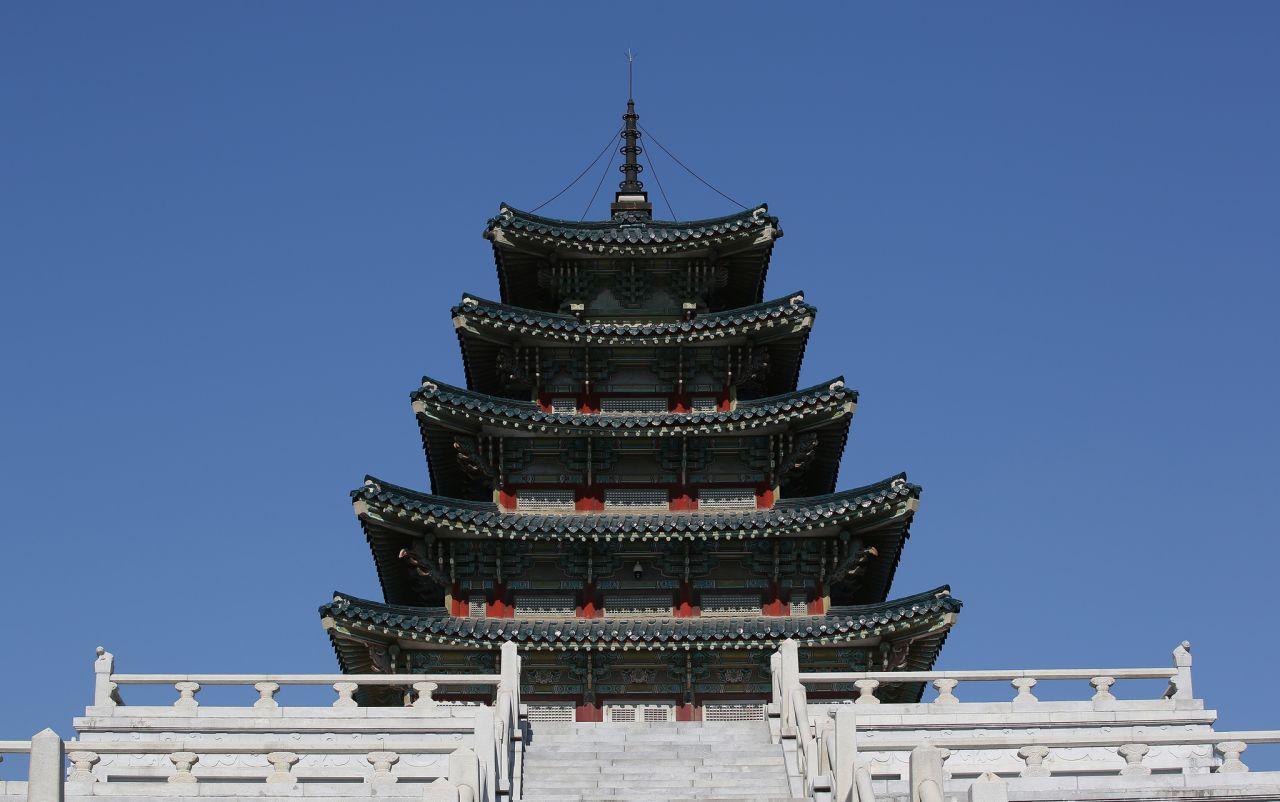
Dive deep into the depths of Korea's rich history at the famed National Folk Museum of Korea.
For a genuine and comprehensive walk down the history lane of Korea, your sole destination should be The National Folk Museum of Korea.
Nestled within the iconic Gyeongbokgung Palace grounds, the museum boasts an impressive compilation of over 98,000 relics and prides itself on being the singular national museum solely committed to the traditions and history of Korean life and culture.
The museum's three distinguished exhibition halls house a wealth of knowledge. The first segment is named, “History of Korean People,” and it provides a captivating insight into the day-to-day life of Koreans from the archaic times until 1910. The exhibition showcases how ancient Koreans lived and navigated their daily life, providing a captivating glimpse of Korea's past.
The subsequent exhibition denoted as, "The Korean Way of Life," allows one to experience the life of an ancient Korean villager. This portal to the past enforces an understanding of how ancient Koreans operated within their communities, creating an enriching and authentic experience.
Step into the world of Korean culture and heritage at one of Seoul's best museums. The third exhibition hall at this museum is the intriguing "Life Cycle of the Koreans," where you can discover the profound influence of Confucianism on Korean customs and traditions that have endured over time, shaping Korean society to this day.
As you explore the museum, you'll encounter open-air exhibits that allow you to experience the village life of the past. Marvel at the replicas of spirit posts, where villagers would gather to offer prayers, and the stone piles created for worship. Get a glimpse of the traditional way of life through grinding mills, rice storage shelters, and the pits used for fermenting kimchi.
Before you plan your visit, be sure to secure your accommodation. Why not stay nearby? With so much to see, you'll appreciate the convenience of a short commute. You can find a variety of hotels in Seoul near Chun Young Kim's House on www.seoulhotelspage.com. If you prefer a wider range of choices, you can also find the hotel on tophotels.com that suits your budget and preference.
Make your way to Samcheongro 37, Jongno-gu, and embark on a cultural journey that will deepen your understanding of the rich tapestry of Korean history and traditions.
Don't forget to fuel your adventures with Korean fried chicken and beer, a delectable culinary delight that pairs perfectly with your museum exploration.
4. War Memorial of Korea (전쟁기념관)
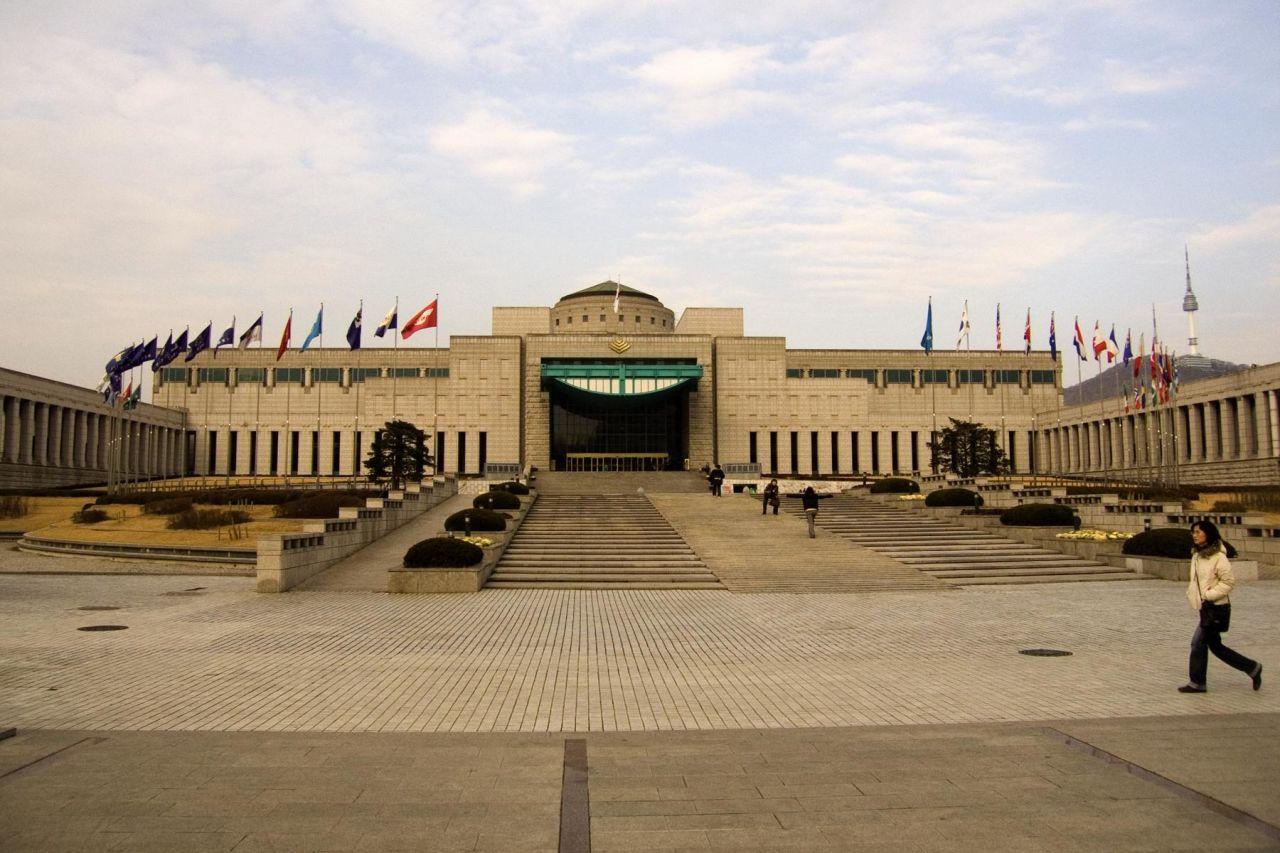
This memorial remembers the military history of Korea.
With a 5,000-year history, Korea has certainly seen its share of wars and that’s precisely why the War Memorial of Korea has an extensive array of stories and artifacts.
The museum, which is located on the old site of army headquarters, has two main exhibitions.
The indoor exhibition includes six halls. The first is a Memorial Hall, which pays tribute to all those who have fought in Korean wars and lost their lives.
The next room is the War Room, featuring Korean weapons from as early as the Paleolithic age, armor and helmets used throughout different periods, as well as swords and other Korean weaponry used over the centuries.
Also indoors is a whole exhibit dedicated to just the Korean War of the 1950s. Beginning with North Korea’s surprise invasion on the South on June 25, 1950, this hall depicts all aspects of the war, such as the role of the United Nations played and what wartime life was like for Koreans.
Here you get to experience eerily lifelike Combat Experience Room, a re-creation of a Korean night battle full of special effects, video, sound, canon smoke and the smell of gunpowder. Just the re-enaction of these battles induces a sense of horror, leaving you with a sense of what actual combat experience must have been like.
Experience the rich history and military heritage of South Korea at the War Memorial of Korea. This fascinating museum offers a glimpse into Korea's overseas dispatches throughout history, with the Expeditionary Forces room showcasing the nation's global influence. The ROK Armed Forces room provides a comprehensive display of South Korea's army, tracing its evolution through the years with weapons, uniforms, and strategic tactics.
In the Defense Industry room, visitors can delve deeper into the equipment that safeguards South Korea's security. From gas masks to aircraft, this section offers an immersive look at the cutting-edge technologies employed by the nation's defense forces. For an awe-inspiring encounter with military machinery, the Outdoor Exhibition is a must-visit.
Step into history as you explore restored tanks, vehicles, submarines, aircraft, and artillery from World War II, the Korean War, and the Vietnam War. Marvel at these colossal machines and take it one step further by actually venturing inside them, getting a firsthand sense of the remarkable engineering that shaped our world.
Immerse yourself in this captivating journey through time and warfare at the War Memorial of Korea, where admission is free. Discover the museum's address at 8 YongSan-dong 1(il)ga YongSan-Gu.
5. National Palace Museum of Korea (국립고궁박물관)
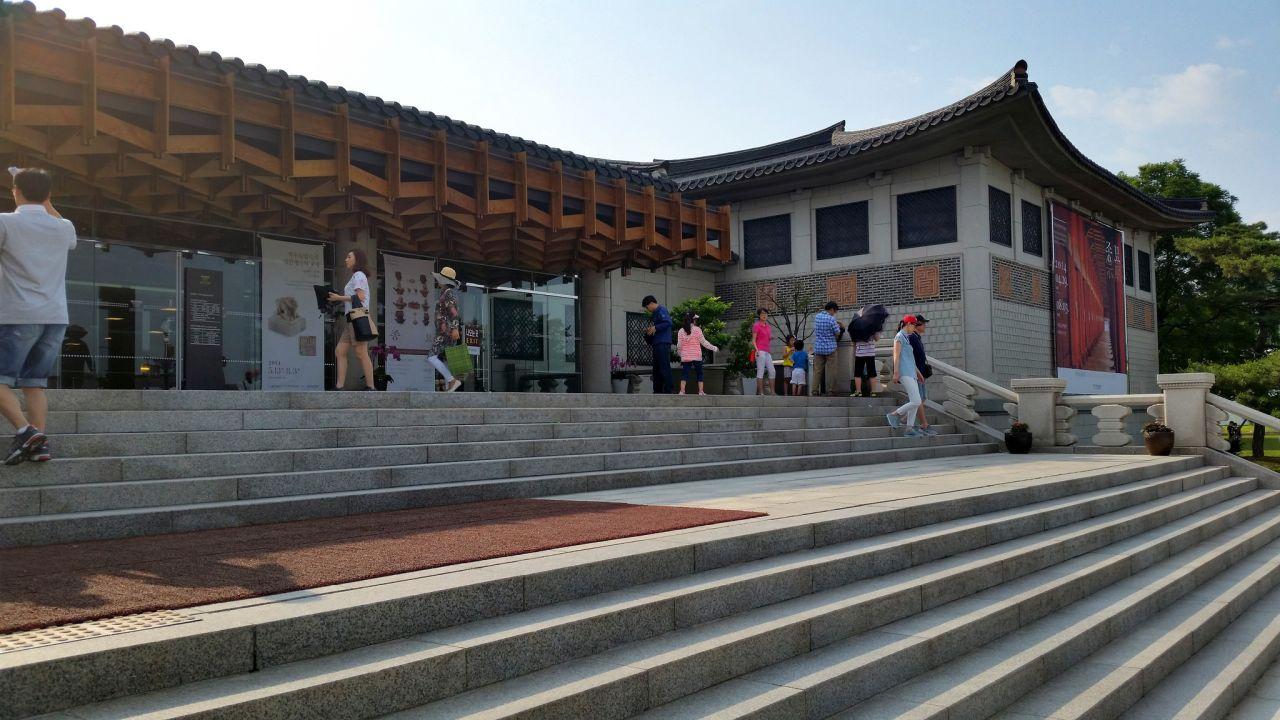
Embark on a journey through time, exploring remnants of the Chinese empire at the National Palace Museum.
The final royal bloodline to rule Korea, the Joseon Dynasty, was in power for over 500 years. This dynasty, steeped in Confucian ideals, forever altered Korea’s cultural and traditional landscape. In fact, some of Korea's most important cultural and political ideas find their roots in this era.
At the National Palace Museum, you can immerse yourself in documents, ceremonial objects, architectural elements, garments, elements of royal existence, education, cultural works, visual arts, and musical tradition from the impactful period of the Joseon Dynasty's reign.
The museum boasts a collection exceeding 40,000 artefacts and pieces of royal treasures. Interestingly, some of these treasures are designated as Korean National Treasures, owing to their historical and cultural significance. What makes this experience even more captivating, admission is utterly free.
The museum, located at 12, Hyojaro, Jongno-gu, is considered a must-visit spot highlighting Korea's rich history.
While in South Korea, consider the coastal gateway of Tongyeong as a delightful addition to your itinerary.
6. Seoul Museum of History (서울역사박물관)
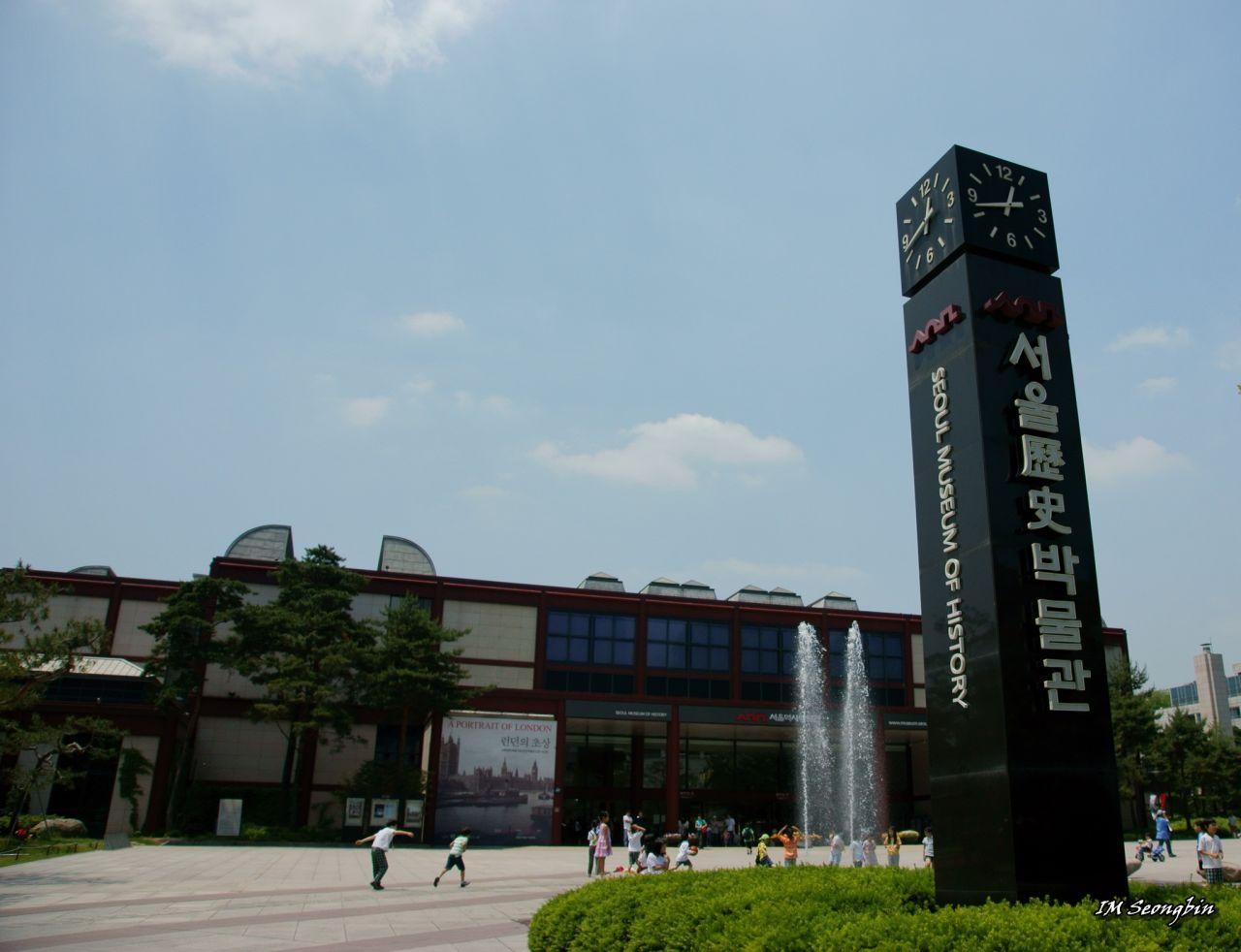
The annals of Seoul are portrayed vividly at the Seoul Museum of History, bringing its past to life.
Within the walls of The Seoul Museum of History, one can journey through the transformation of Seoul; from its prehistoric era to the metropolis it is currently.
Its relevance as the nerve center of the Joseon Dynasty is evident through a diverse collection of information and relics of the era displayed. Indeed, the accomplishments witnessed in Seoul today are fundamentally tied to its critical role during this dynasty.
Being the heart of a leading historical dynasty, Seoul's innovative and forward-thinking nature was nurtured, a trait that outshined other cities and continues to the present day.
The museum showcases the growth and development of Seoul into the multifaceted urban center it is now. It also accommodates distinctive exhibits. Furthermore, Seoul was the first city in Korea to install electricity and a tram system, reflecting its continuous pursuit of progress.
Find this impressive museum at 2-1 Sinmunno 1 ga, Jongno-gu, Seoul.