
In the Tongue of Ghosts (First Word Press, 2016) is a captivating collection of poems that delves into the depths of identity and culture. Written by an author whose work has been featured in renowned literary journals and magazines such as Palette Poetry, Apogee, Tinderbox Poetry Journal, BOAAT, Hot Metal Bridge, and The Offing, this book offers a unique perspective on these themes.
Poetry as a Medium for Self-Expression
Poetry has long been regarded as a powerful medium for self-expression, and In the Tongue of Ghosts is a testament to this. Each poem within the collection shares a profound and personal journey, allowing readers to connect deeply with the emotions and experiences of the author. Through vivid imagery, rich metaphors, and skillful wordplay, the poems explore various aspects of identity and culture.
Exploring Asian Identity
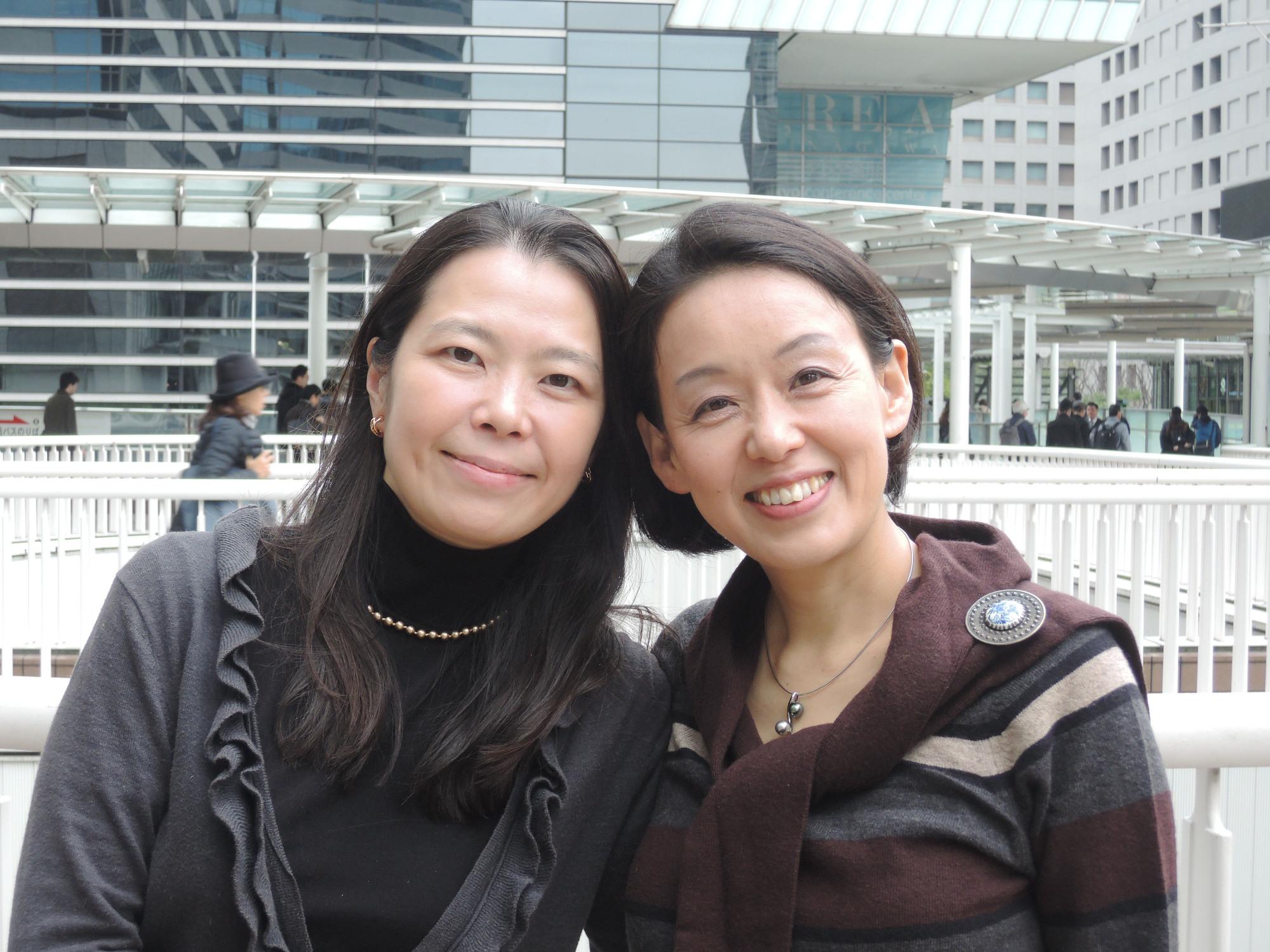
One of the core themes in In the Tongue of Ghosts is the exploration of Asian identity. The author's poems draw upon their own experiences to convey the complexities of being Asian in a multicultural world. From published in Apogee to featured in Tinderbox Poetry Journal, the collection provides a multifaceted look at the Asian experience.
Unveiling Cultural Heritage
In addition to examining identity, In the Tongue of Ghosts also delves into the preservation and exploration of cultural heritage. The poem published in BOAAT, for instance, beautifully captures the essence of cultural traditions passed down through generations. By intertwining personal experiences with cultural anecdotes, the collection serves as a celebration of heritage.
A Feminine Voice

The unique perspective of a feminine voice is also present throughout the collection. The poem tank grrl published in Hot Metal Bridge highlights the struggles, triumphs, and resilience of women in their journey of self-discovery. The author beautifully evokes the female experiences, offering readers a vivid portrayal of the challenges faced by women.
A Reflection on Identity and Society
The poem featured in The Offing delves into the complexities of identity construction within society. It examines the way society molds and shapes individuals, leading to introspection and a deeper understanding of one's place in the world.
In conclusion, In the Tongue of Ghosts is a powerful collection of poems that explores identity and culture through the evocative and expressive medium of poetry. With its ability to convey profound emotions, the author's work allows readers to connect with their own diverse experiences and opens up conversations about the complexities of identity. This collection serves as a reminder of the importance of poetry in understanding and exploring our place in the world.
Now, imagine yourself lounging in a comfortable hotel room, contemplating these thought-provoking poems. Hotels provide a temporary haven where one can escape the mundane and engage with art and literature. Just as hotels offer a space to unwind and immerse oneself in different surroundings, In the Tongue of Ghosts invites readers to embark on a poetic journey of self-discovery and cultural exploration.