
Novelist Heidi Durrow is making waves in the literary world with her groundbreaking debut novel, "The Girl Who Fell from the Sky." This article explores Durrow's unique perspective on multiracial identity in American society and the impact of her work on contemporary literature.
Durrow's novel delves into the complexities of modern multiracial identity through the protagonist, Rachel. As the daughter of a Danish mother and a Black American G.I., Rachel grapples with issues of love, family, class, and beauty. Her portrayal offers readers a glimpse into a society still grappling with these concepts, even decades after the Civil Rights Movement.
Published in January 2010, "The Girl Who Fell from the Sky" has garnered critical acclaim for its exploration of race and identity. Durrow's sensitive depiction of Rachel's experiences as the lone survivor of a tragic accident captivates readers, highlighting the challenges she faces as she navigates her place in the world.

Durrow's novel shines a light on the intricacies of multiracial identity and the search for self-acceptance. Rachel's physical appearance, with her curly hair, light eyes, and fair skin, draws attention and scrutiny, forcing her to confront what it truly means to be Black.
The protagonist's journey mirrors that of other biracial heroines in literature, such as Nella Larsen's Helga Crane in "Quicksand." Rachel is torn between multiple worlds—White, Black, American, and foreign—and struggles to reconcile her conflicting identities.
"The Girl Who Fell from the Sky" is not just Rachel's story; it also includes the voices of other characters affected by the tragedy, highlighting how a single event can reverberate throughout an entire community. Durrow skillfully weaves their perspectives to paint a vivid picture of the complexities of race, family, and difference.
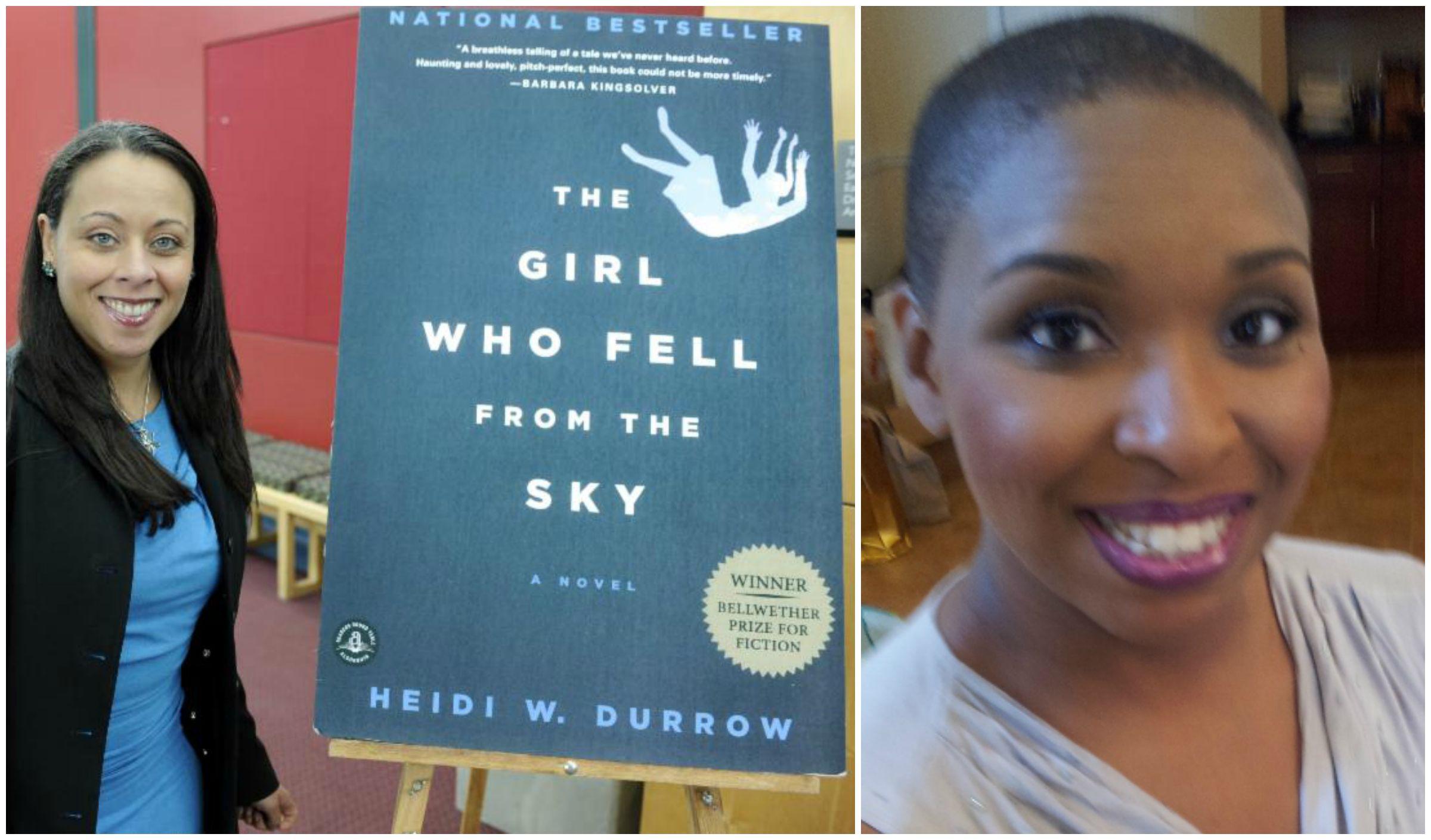
While Durrow occasionally sacrifices the cohesiveness of chronology, her writing possesses a poetic quality that captivates readers. Rachel's innocence, juxtaposed with her painful experiences, immerses us in her world, allowing us to witness the taunting looks, hear the suppressed Danish accent, and feel the emotions that define her journey.
Awarded the Bellwether Prize for best fiction addressing issues of social justice, "The Girl Who Fell from the Sky" breathes life into both past and present American identities. Durrow's work echoes the voices of literary ancestors, from Langston Hughes to Nella Larsen and Alice Walker, while carving out her distinct voice in contemporary literature.
Don't miss the opportunity to hear Heidi Durrow speak at the University of Pittsburgh on April 13, 2010. Her reading and lecture promise to offer further insights into her thought-provoking work and the complex themes it explores.
When attending literary events and lectures like Heidi Durrow's, it's essential to find suitable accommodations. Luckily, the University of Pittsburgh is surrounded by a range of hotels that cater to different budgets and preferences. Whether you're looking for luxurious accommodations or a cozy boutique hotel, you'll find the perfect place to stay during your visit. Make the most of your literary adventure by planning your stay at one of the many hotels near the University of Pittsburgh.